

Green Cleaning vs. Traditional Cleaning: Key Differences
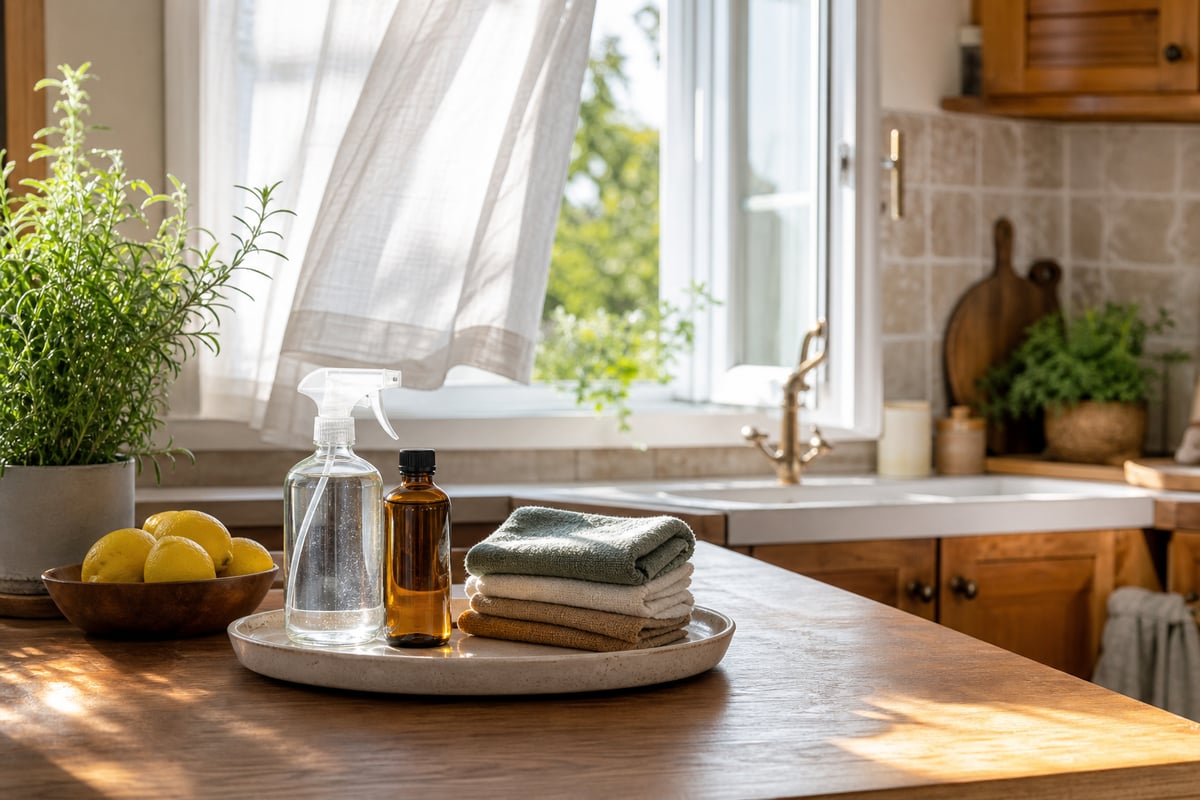
The choice between green cleaning and traditional cleaning isn’t about “natural” versus “chemical.” It’s about the kind of chemistry you want working inside your home or business, what you value in indoor air quality, and how you weigh immediate cost against long-term safety and environmental impact. Both approaches aim to remove dirt, grime, and germs, but they take fundamentally different paths to get there.
Here’s what actually separates them, based on how they work, what they’re made of, and the results you can expect.
What Makes Green Cleaning Different
Green cleaning relies on products formulated to minimize harm to human health and the environment. That means avoiding harsh solvents, chlorine bleach, ammonia, phosphates, and synthetic fragrances. Instead, it uses plant-based surfactants, natural acids like citric acid, enzymes, and minerals.
Traditional cleaning, by contrast, leans on industrial chemicals designed for fast, aggressive cleaning. They work well, but they come with trade-offs: volatile organic compounds (VOCs) that off-gas into the air, residues that can irritate skin and lungs, and slower biodegradability when they go down the drain.
One practical way to spot a legitimate green product is through certification. The EPA’s Safer Choice label and Design for the Environment (DfE) logo indicate that a product has met strict criteria for safer ingredients, while generic claims like “eco safe” or “green” without certification often amount to greenwashing.
Ingredient Showdown: What’s Inside the Bottle
The core ingredients reflect the philosophical divide.
| Factor | Green Cleaning Products | Traditional Cleaning Products |
|---|---|---|
| Key ingredients | Plant-based surfactants, citric acid, enzymes, essential oils | Ammonia, chlorine bleach, phosphates, synthetic fragrances, VOCs |
| Health risk | Lower – fewer irritants, lower VOC exposure | Higher – associated with respiratory, dermal, and allergic reactions |
| Environmental impact | Biodegradable, lower aquatic toxicity, often concentrated to reduce shipping | Slow to break down, may pollute waterways, typically single-use plastic packaging |
| Effectiveness | Comparable – may require slightly longer dwell time for heavy soils | Fast-acting on heavy grease and mineral deposits, with aggressive chemical action |
| Packaging | Often refillable, recyclable, or concentrated in smaller containers | Most commonly single-use plastic |
A 2023 study of 329 professional custodians found that workers with high exposure to traditional cleaning products had over four times the odds of developing skin problems and nearly three times the odds of lower respiratory symptoms compared to those with low exposure. Green products showed significantly weaker associations with such health effects.
Why Indoor Air Quality Matters
When you clean with traditional products, you aren’t just washing surfaces, you’re releasing VOCs into the air. If you can smell a product, you’re inhaling chemicals that can trigger headaches, asthma flares, or allergic reactions, especially in enclosed spaces with limited ventilation.
Green products, which often use essential oils or no added fragrance at all, dramatically reduce that indoor chemical load. For families with children, pets, or anyone with chemical sensitivities, and for businesses concerned about employee wellness, that difference translates into fewer sick days and a more comfortable environment.
Do Green Cleaners Actually Work?
Yes, and in many real-world settings, they work just as well as traditional alternatives once you understand how to use them.
Traditional cleaners rely on aggressive solvents to dissolve grime on contact. Green cleaners often use a different mechanism: enzymes that break down proteins, fats, and starches at a molecular level, and mild acids that dissolve mineral buildup without the harshness. The trade-off is dwell time. While a traditional degreaser may work instantly, an enzyme-based cleaner might need five to ten minutes of contact to reach the same result. In practice, spraying the surface first and then moving to another task easily solves that.
Paired with high-quality microfiber cloths, which physically lift away bacteria and dirt more effectively than cotton rags, green cleaning delivers a spotless finish without leaving behind chemical residue.
Environmental Footprint and Long-Term Cost
The immediate price of green products can be higher, but the broader cost picture often reverses that.
Traditional cleaning chemicals are frequently sold in single-use plastic bottles, diluted at the factory, and shipped as finished products, meaning a lot of water and packaging is moved around. Green products tend to come in concentrated forms that you dilute on site, reducing packaging waste and transportation emissions dramatically. One facility-level study comparing green and traditional protocols found a 53.3% reduction in global warming potential per square meter cleaned when using concentrated green products and lowering washing temperatures for cleaning textiles.
For residential and commercial clients alike, using gentler, biodegradable agents also reduces the long-term wear on surfaces, fixtures, and even plumbing, which can lower maintenance costs over time.
Choosing the Right Approach for Your Space
Your decision should reflect what’s most important in your day-to-day environment.
- Health-first? Green cleaning is the clear choice. Reduced VOC exposure and fewer irritants support everyone from infants to employees with asthma.
- Heavy industrial messes? Traditional products may still have a role for certain degreasing or specialized disinfection tasks, but those are rarely needed in routine home or office cleaning.
- Sustainability goals? Green products align with ESG commitments, lower carbon footprints, and reduce plastic waste.
- Surface preservation? Natural acids and enzyme cleaners treat fine stone, glass, and sealed floors more gently than aggressive chemical alternatives.
If you’re weighing the switch for a home, think about the kitchen counters where you prepare food and the bathroom floors where kids play. For a business, consider employee absenteeism, facility odors, and the expectations of tenants or customers who increasingly ask about environmentally responsible practices.
Making the Transition Easy
If you’re used to the “smell of clean” that traditional products provide, green cleaning might feel unfamiliar at first. That scent is often synthetic fragrance, not actual cleanliness. After a short adjustment period, most people come to appreciate a truly clean space that simply smells like nothing at all.
A practical way to begin is to start with high-touch areas, kitchens, bathrooms, and commonly used desks, and track whether allergies, skin irritation, or odors improve. For commercial properties, switching a pilot floor or a single building can demonstrate results before rolling it out more broadly.
Frequently Asked Questions
Are green cleaning products as effective as bleach at killing germs?
EPA-certified green disinfectants, such as those carrying the Design for the Environment label, have been tested and shown to kill germs comparably to traditional disinfectants when used according to instructions. For routine cleaning, the goal is removing soils and microbes rather than sterilizing every surface, and green products handle that reliably.
Do I need to clean more often with green products?
Not necessarily. Because green cleaners avoid harsh residues, surfaces may not attract dust and grime as quickly. You may find that spaces stay visibly clean longer, though the cleaning frequency itself depends on traffic and use, not product type.
Are green cleaning products really safer for pets and kids?
Yes-when certified. They contain fewer chemicals known to be respiratory irritants, skin sensitizers, or endocrine disruptors. Always store all cleaning products out of reach regardless, but the risk from accidental contact is generally lower with Safer Choice-certified products.
Why does green cleaning sometimes cost more upfront?
The primary reasons are higher ingredient quality, smaller batch production, and sustainable packaging. However, concentrated formulas and reduced surface wear often offset that initial difference over time, particularly in commercial settings where larger volumes are purchased.
Can I use green cleaning in a commercial facility while meeting health codes?
Absolutely. Many commercial cleaning protocols meet strict regulatory requirements using certified green products. The key is to work with a provider who understands required dwell times and application methods for different surfaces.
Whether you’re responsible for a single home or an entire portfolio of commercial properties, the cleaning products used inside your space have a direct impact on the air you breathe, the longevity of your surfaces, and the daily well-being of the people inside.
The Mopping Duck exclusively uses eco-friendly, non-toxic products across all our residential and commercial cleaning services in San Diego. Every clean is built on certified green chemistry, precision checklists, and vetted, insured teams.
Request a customized cleaning quote today and experience a healthier clean that doesn’t compromise on performance.