

Eco-Friendly Cleaning for Bathrooms: Best Practices
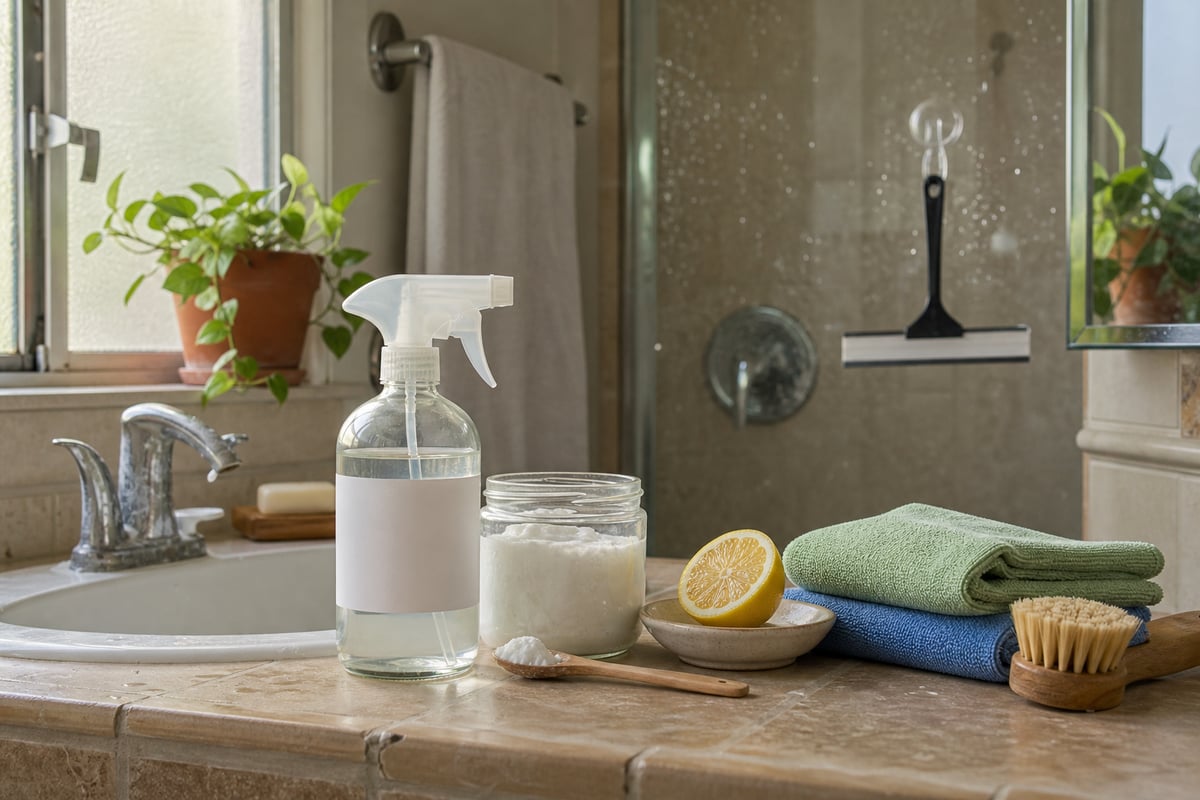
Eco-friendly bathroom cleaning works best when you match the cleaner to the type of soil. Mineral buildup and hard water stains dissolve with mild acids such as citric acid or lactic acid. Soap scum and body oils lift best with plant-based surfactants. Mold and mildew respond to fast-drying alcohol solutions or products containing tea tree oil. This targeted approach reduces scrubbing time, protects surfaces, and avoids harsh fumes.
Why Eco-Friendly Bathroom Cleaning Matters
Conventional bathroom cleaners often contain chlorine bleach, ammonia, or strong synthetic fragrances. These ingredients can irritate the lungs, trigger allergies, and leave residues on surfaces that come into contact with skin. Eco-friendly alternatives use plant-derived and mineral-based ingredients that clean effectively without compromising indoor air quality.
For San Diego households, choosing biodegradable and non-toxic products also helps protect local waterways. Rinsing chemical-heavy cleaners down the drain introduces compounds that can harm aquatic life. Many eco-friendly formulas are designed to break down more safely after use.
Match the Cleaner to the Soil
Bathroom grime is not a single substance. Understanding what you are removing helps you select the right product.
- Hard water stains and limescale: These alkaline mineral deposits respond to acid-based cleaners. Look for citric acid or lactic acid listed near the top of the ingredient label. Vinegar, diluted with water, can also work but requires a longer contact time.
- Soap scum and greasy buildup: Plant-based surfactants are the most effective choice. Common surfactant names include decyl glucoside, coco-glucoside, and cocamidopropyl betaine. Surfactants have one water-loving end and one oil-loving end, which allows them to lift and wash away oily residue.
- Mold and mildew: Fast-drying alcohol-based cleaners remove mold and mildew and evaporate quickly, reducing the moisture that encourages regrowth. Tea tree oil offers additional antimicrobial benefits in some eco-friendly formulas.
- General grime and daily residue: A mild all-purpose cleaner with plant-based ingredients works well for routine wiping.
Essential Tools and Techniques
The right tools make eco-friendly cleaning more efficient and reduce the need for stronger chemicals.
- Microfiber cloths: Use separate cloths for mirrors, countertops, and floors. Microfiber can remove bacteria and grime with less cleaning solution.
- Squeegee: After each shower, pull water off walls and glass doors. This prevents mineral buildup before it starts.
- Soft-bristle brush or old toothbrush: Use for faucet bases, drain edges, and grout lines where grime accumulates.
- Spray bottles: Label each bottle clearly. Refillable bottles reduce plastic waste.
Contact time is critical. After spraying a surface, wait 5 to 10 minutes before wiping. For vinegar-based mineral removal, allow 20 to 30 minutes. This lets the active ingredients dissolve buildup instead of relying on elbow grease.
For streak-free mirrors, the drying step matters more than the cleaner. Wipe with a damp microfiber cloth, then immediately dry with a separate dry cloth. Alcohol-based glass cleaners evaporate quickly and reduce streaks.
Step-by-Step Eco-Friendly Bathroom Cleaning Routine
Follow this sequence to avoid reapplying cleaner or moving dirt from one surface to another.
- Open a window or turn on the exhaust fan to improve ventilation.
- Remove items from countertops and shelves.
- Apply an eco-friendly toilet bowl cleaner to the inside of the bowl and let it sit.
- Spray the sink, countertop, and faucet with a surfactant-based or all-purpose cleaner. Use a toothbrush around the faucet base and drain.
- Spray the tub and shower with an acid-based cleaner for mineral spots, or a surfactant cleaner for soap scum. Let it sit for several minutes, then scrub and rinse.
- Clean the mirror with an alcohol-based glass cleaner or diluted vinegar, then dry thoroughly.
- Scrub the toilet bowl with a brush and flush. Wipe the exterior with a mild all-purpose cleaner.
- Finish with the floor using a damp microfiber mop and a small amount of eco-friendly floor cleaner.
This routine uses fewer products and avoids overwhelming chemical smells.
DIY Eco-Friendly Bathroom Cleaners
You can make effective bathroom cleaners with common household ingredients, but always check surface compatibility.
- Vinegar spray: Mix equal parts white vinegar and water in a spray bottle. Use on glass, chrome, and ceramic tile. Do not use on natural stone such as marble, granite, or travertine, because the acid can etch the surface.
- Baking soda paste: Mix baking soda with a little water to form a paste. Use it as a gentle abrasive on sinks and tubs. Rinse thoroughly to avoid a gritty residue. Avoid on easily scratched finishes.
- Hydrogen peroxide: Use a 3% solution as a disinfecting alternative on hard, non-porous surfaces. Never mix hydrogen peroxide with vinegar or bleach.
These DIY options reduce packaging waste and are safe for most homes, but they require more attention to surface type than ready-to-use eco-friendly products.
Commercial Restroom Considerations
For property managers and facility teams, eco-friendly bathroom cleaning requires additional controls.
- Choose products certified by Green Seal or EPA Safer Choice.
- Use color-coded microfiber cloths to prevent cross-contamination between restrooms and other areas.
- Follow manufacturer dilution ratios exactly, because concentrated eco-friendly products can still cause skin irritation if overused.
- Document cleaning frequency and inspect restrooms between scheduled cleanings.
- Provide adequate ventilation and use no-touch dispensing systems where possible.
Eco-friendly commercial restroom programs reduce chemical exposure for janitorial staff and building occupants while maintaining a professional appearance.
When to Hire an Eco-Friendly Cleaning Service
A professional eco-friendly cleaning service makes sense when you want consistent results without buying and storing multiple products. The Mopping Duck serves San Diego with exclusively eco-friendly, non-toxic products and fully vetted, insured team members. Our client-specific checklists ensure that every bathroom receives the same level of attention for both recurring maintenance and one-time deep cleans.
If you are managing a busy household, a recurring service prevents mineral buildup and mold before they become difficult to remove. For commercial properties, scheduled restroom maintenance supports tenant satisfaction and facility health.
Request a customized cleaning quote to learn how our eco-friendly bathroom cleaning fits your needs.
Frequently Asked Questions
Is vinegar safe for all bathroom surfaces?
No. Vinegar is acidic and can etch natural stone surfaces such as marble, granite, and travertine. It is safe for ceramic tile, porcelain, chrome, and glass. Always test a small hidden area first, or choose a pH-neutral eco-friendly product for stone surfaces.
How do I remove hard water stains without bleach?
Use a cleaner with citric acid or lactic acid. Spray the affected area and allow it to sit for 20 to 30 minutes, then scrub gently with a soft brush. Vinegar diluted with water also works on non-stone surfaces. Regular use of a squeegee after showers prevents buildup.
What eco-friendly ingredients kill mold and mildew?
Fast-drying alcohol-based cleaners effectively remove mold and mildew and reduce regrowth by evaporating quickly. Tea tree oil provides antimicrobial benefits. Hydrogen peroxide also works on hard, non-porous surfaces. Never mix hydrogen peroxide with vinegar or bleach.
Can I use baking soda on acrylic tubs?
Baking soda is a mild abrasive and can scratch acrylic or other glossy plastic surfaces. For acrylic tubs, use a non-abrasive plant-based cleaner and a soft cloth. Baking soda is generally safe for porcelain and ceramic, but rinse thoroughly and test first.
How often should I clean a bathroom with eco-friendly products?
A light weekly cleaning with a plant-based all-purpose cleaner prevents buildup. More thorough cleaning of the toilet, tub, and grout can be done every two to four weeks. Using a squeegee after showers and wiping down the sink daily reduces the need for deep cleaning.
A Healthier Bathroom Without Harsh Chemicals
Eco-friendly bathroom cleaning is a practical system, not a compromise. Matching the right ingredient to the type of grime, using contact time effectively, and maintaining surfaces daily reduces the need for strong chemicals. If you clean your own bathroom or schedule professional help, these practices protect your health, your surfaces, and the environment.
For San Diego residents and businesses, The Mopping Duck offers eco-friendly residential cleaning and commercial cleaning services with a commitment to non-toxic products and operational excellence. Contact us to schedule a walkthrough or request a quote.